OVERVIEW OF ECER DEVELOPMENT PLAN
The ECER Development Plan 2026-2030 serves as a strategic roadmap for achieving balanced and sustainable growth in the East Coast Economic Region (ECER). Building on the foundations of the previous two master plans, this plan aims to support industrial expansion, enhance connectivity, and improve access to services.
At the core of this effort, the East Coast Economic Region Development Council (ECERDC) plays a crucial role in coordinating and implementing key initiatives that drive economic development, realise investments, and elevate the quality of life for residents. Aligned with federal and state policies, the plan ensures an integrated and cohesive development approach.
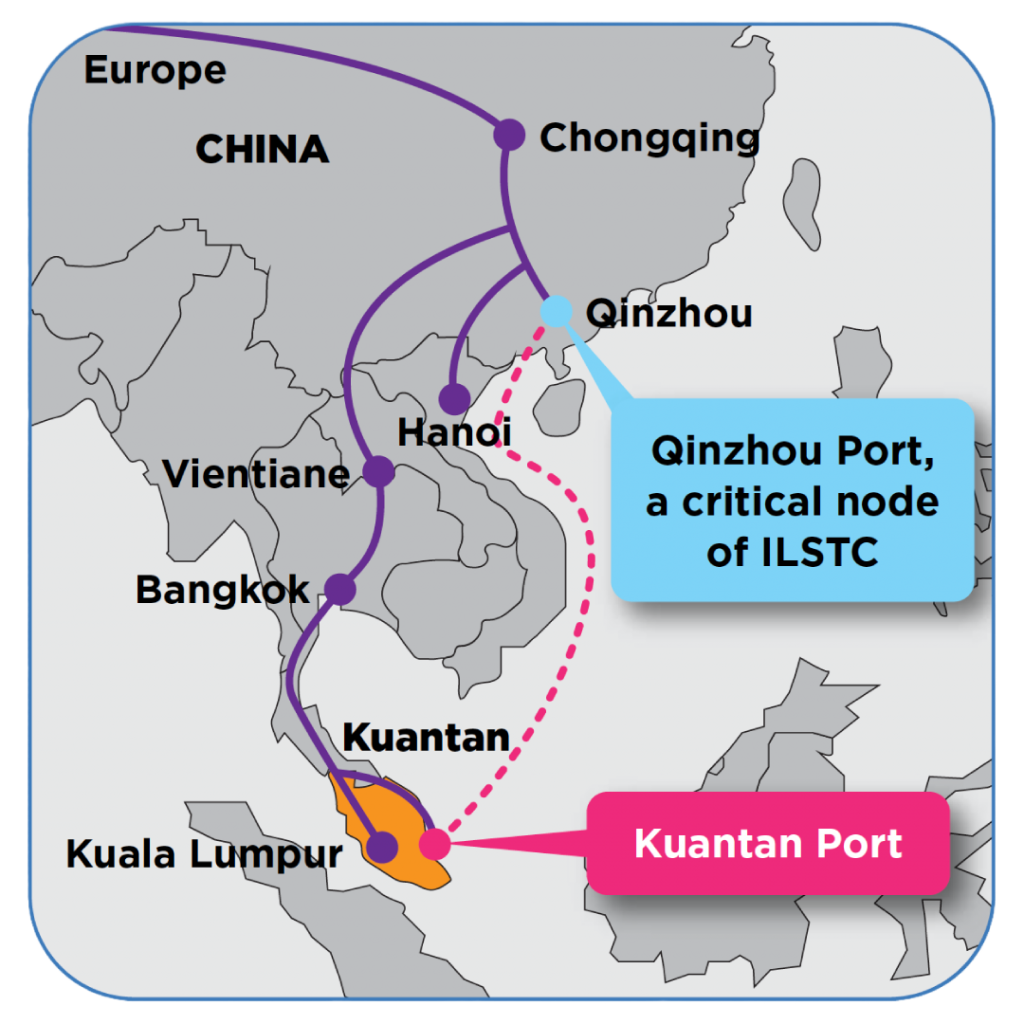
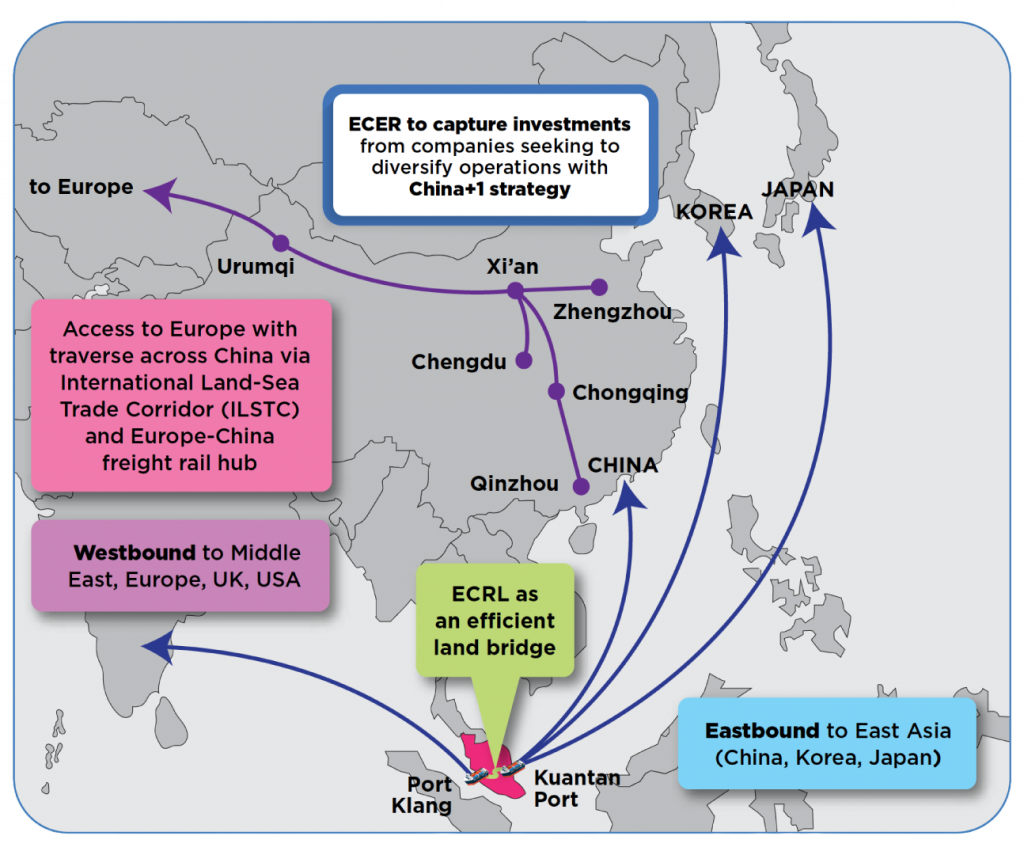
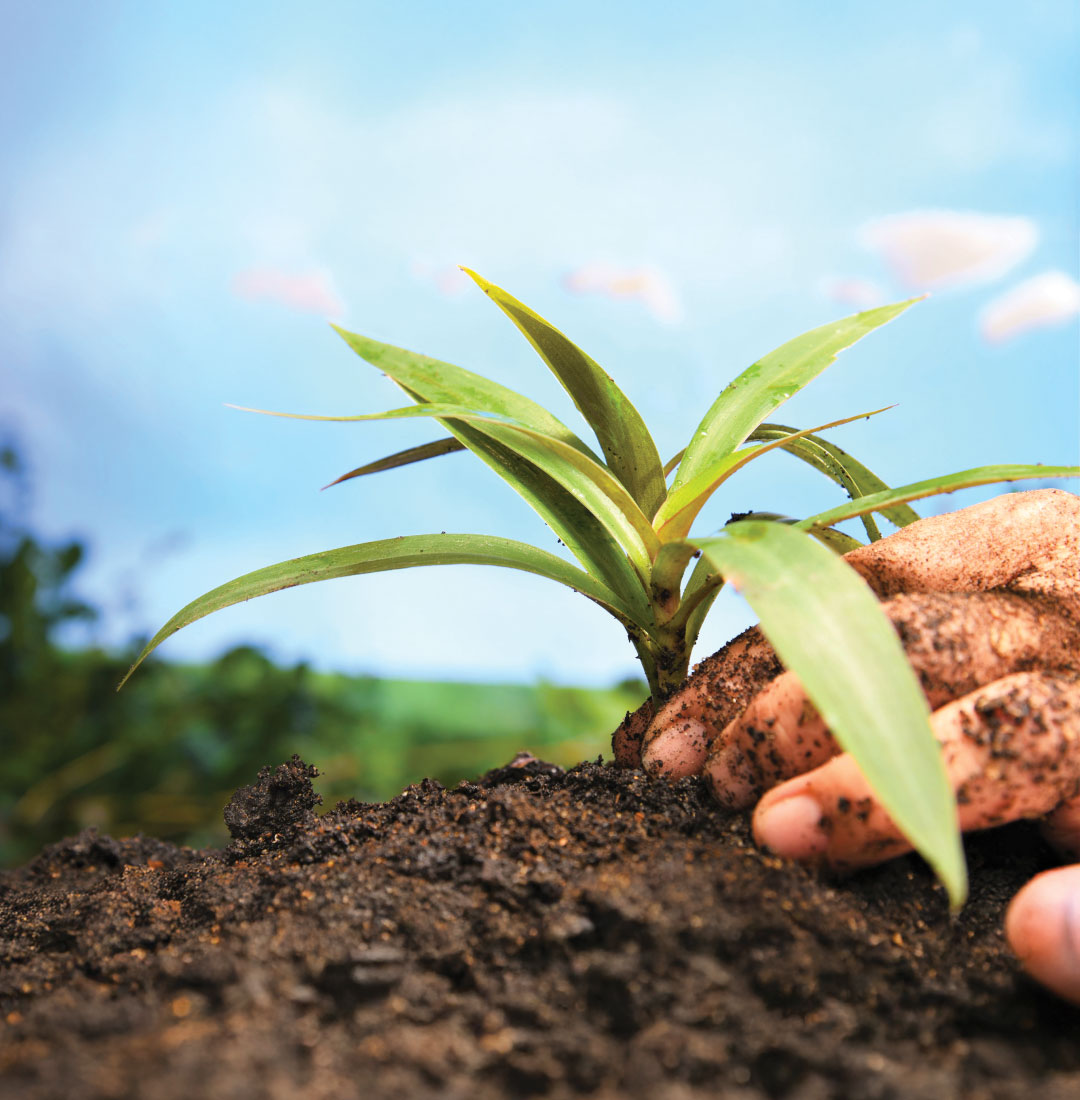
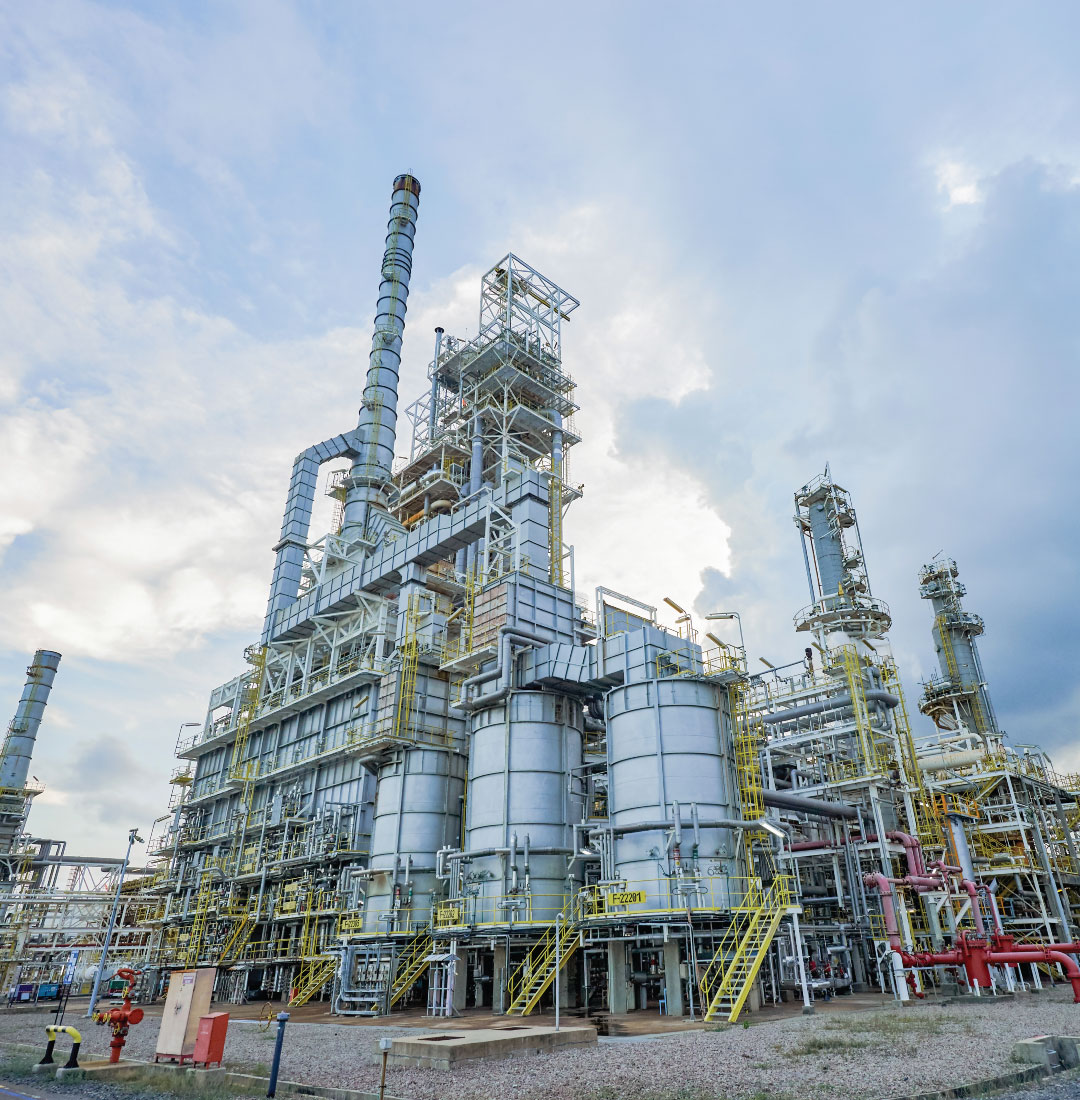
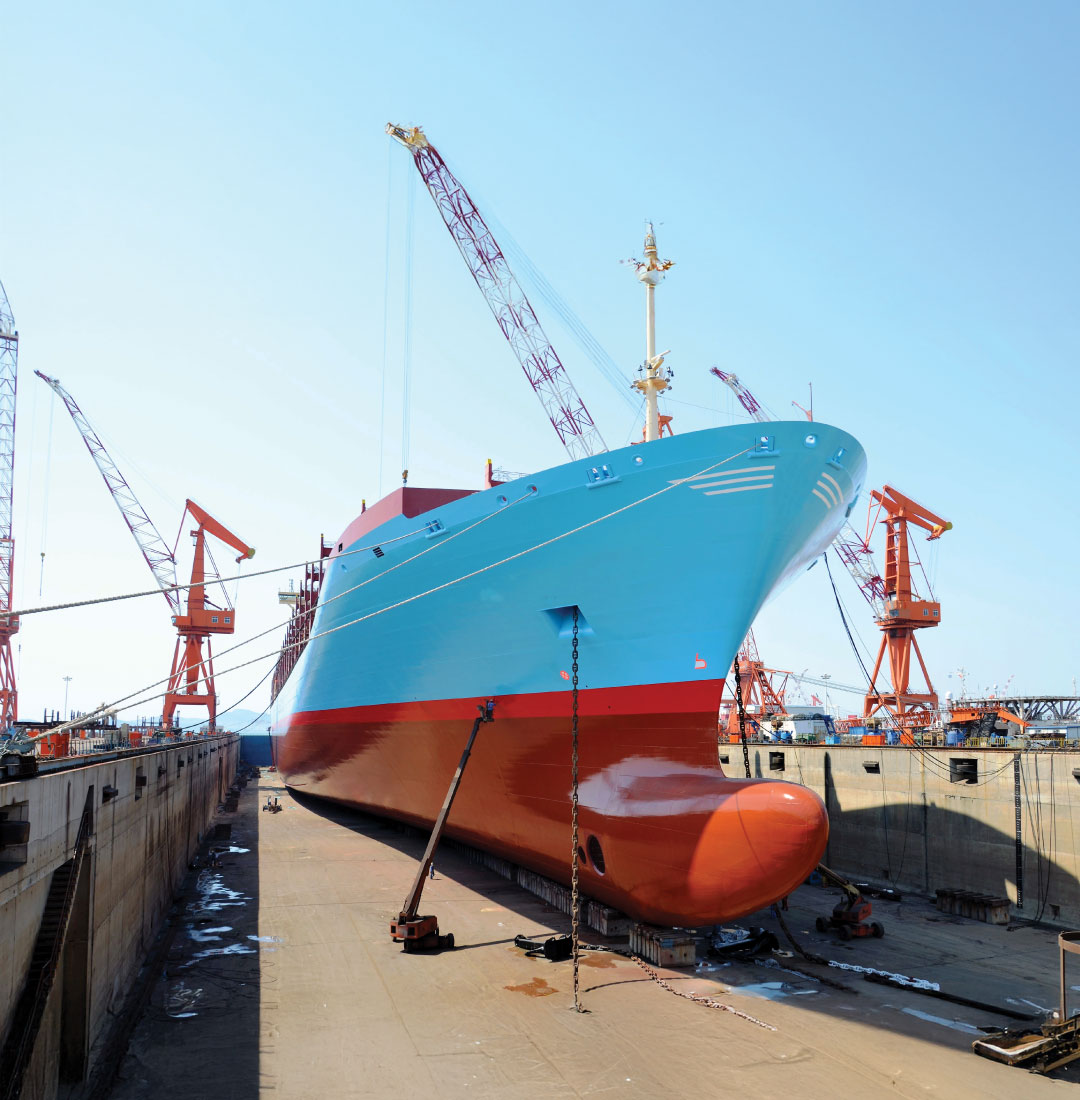
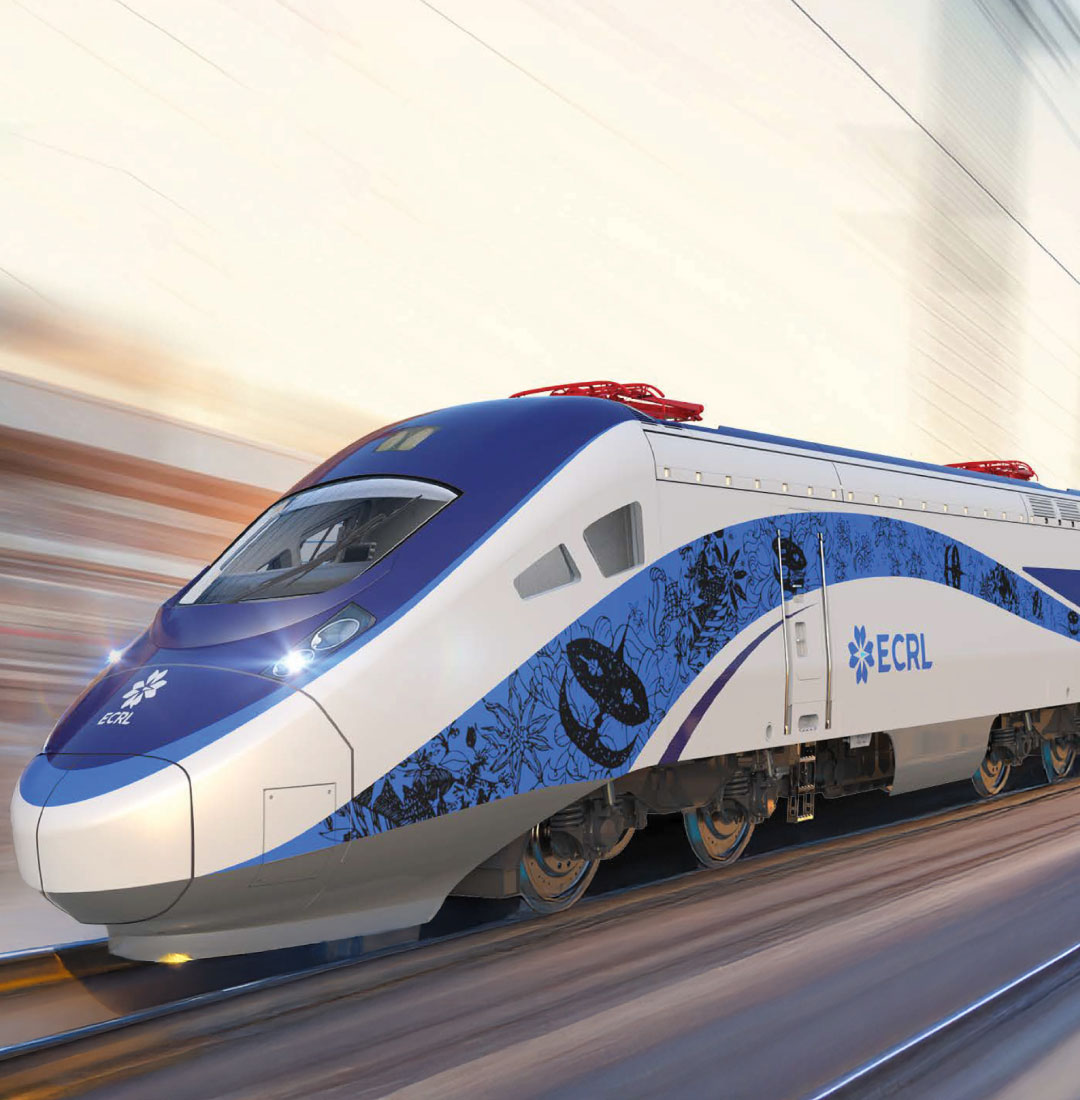
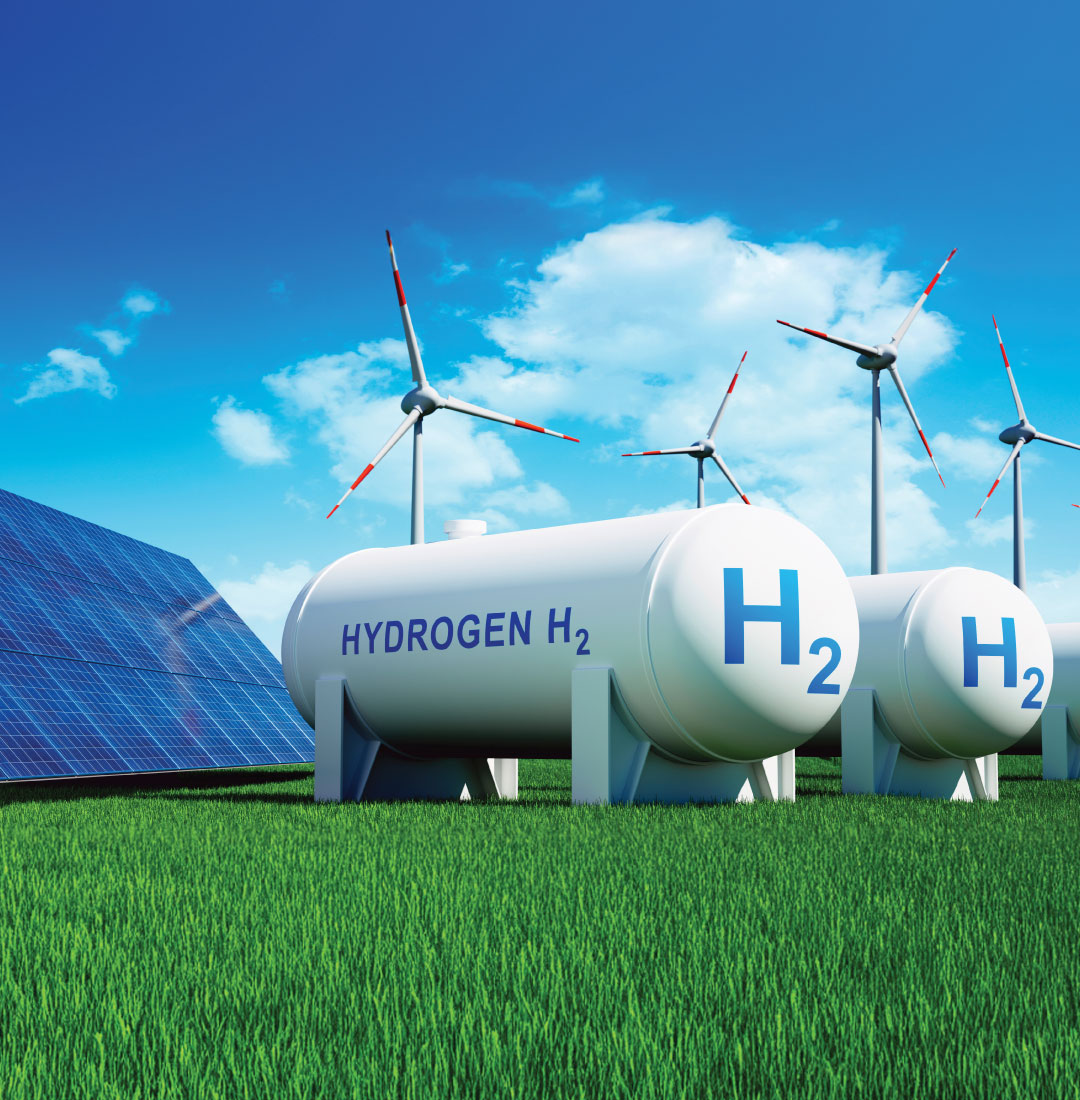
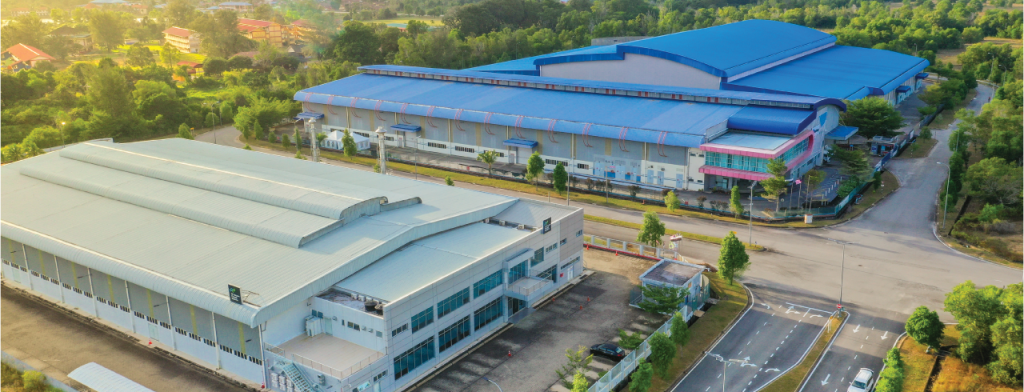
Over the RMKe-13 period, 24 flagship projects will be implemented to accelerate ECER’s economic transformation, targeting a GDP of RM225 billion by 2030. These projects are anchored on four key strategic development thrusts: Food Basket, which strengthens agriculture and food security; Creating Destinations, which enhances tourism and cultural attractions; Manufacturing of Hard-to-Abate Sectors, which promotes sustainable industrial growth; and Marine Industry, which expands shipbuilding, ship repair, and marine-related businesses. These thrusts are supported by two key enablers, renewable energy and logistics, which are essential to the energy transition and decarbonisation effort and seamless connectivity for trade and mobility.
The successful implementation of the ECER Development Plan 2026-2030 is driven by collaboration and synergy among various stakeholders, including government agencies, private sector players, and local communities. This collaborative framework is vital in ensuring economic prosperity while maintaining environmental sustainability and reducing income disparities. Through this plan, ECER is poised to become a competitive, resilient, and thriving economic region, unlocking new opportunities for growth and development.
Four key strategic development thrusts
Two Enablers